


Waking up to a jaw that feels puffy, heavy, or tender along the side of your face is unsettling, especially when it keeps coming back. Swelling around the jaw area can have several causes, and not all of them are immediately obvious. For some people, it is a sign that their temporomandibular joint is strained beyond what it can comfortably manage.
The temporomandibular joint sits just in front of each ear, connecting the lower jaw to the skull. It handles a remarkable amount of daily load, from chewing and talking to yawning and swallowing. When this joint becomes inflamed, overloaded, or injured, the surrounding soft tissues can respond with visible or palpable swelling, and that swelling often comes with other symptoms that make daily life harder.
Quick Overview
- TMJ swelling is a physical response to inflammation, overload, or injury in or around the jaw joint, and it is not always easy to identify without assessment.
- It may appear alongside jaw pain, limited mouth opening, facial tenderness, or clicking sounds, though in some cases swelling is the first noticeable sign.
- Several factors can contribute, including teeth grinding, bite misalignment, arthritis, and jaw injury, and more than one may be involved at once.
- How swelling presents, where it appears, and what accompanies it can all influence how it is assessed and what management may involve.
- Early assessment tends to produce a clearer picture, particularly when symptoms are recurring or worsening over time.
The sections below outline what causes TMJ swelling, how to tell it apart from other sources of facial swelling, and what conservative management can look like.
What Causes Swelling Around the TMJ?
TMJ swelling occurs when the joint itself, or the muscles and soft tissues surrounding it, become inflamed. This can happen for several reasons, and in many cases a combination of factors is involved.
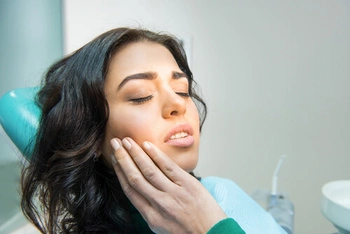 Teeth grinding and jaw clenching (bruxism): Sustained grinding or clenching, particularly during sleep, places significant and repetitive force on the joint. Over time, this can lead to joint inflammation and muscle tension around the jaw, with swelling developing as surrounding tissues respond to the load.
Joint effusion: This refers to a build-up of fluid inside the joint capsule itself. It can develop when the joint is inflamed or when disc displacement has altered the way load is distributed across the joint. The result is a joint that may feel swollen, stiff, or tender to the touch.
Jaw injury or trauma: A direct blow to the jaw or a sudden impact can cause acute swelling in and around the joint. Even minor injuries, such as a fall or dental procedure that required prolonged wide opening, can trigger a short-term inflammatory response.
Arthritis: Both osteoarthritis and rheumatoid arthritis can affect the TMJ. Inflammatory joint conditions can cause swelling, warmth, and tenderness near the ear, and changes to jaw movement over time.
Disc displacement: The TMJ contains a small disc of cartilage that cushions movement between the joint surfaces. When this disc shifts out of position, it can alter the mechanics of the joint and trigger inflammation in the surrounding tissues.
Individual response varies. Two people with the same grinding habit or injury history may experience very different degrees of swelling, depending on their anatomy and how their body responds to joint load.
How Does TMJ Swelling Feel and Where Does It Appear?
TMJ swelling does not always present the same way. In some cases it is visible, appearing as puffiness just in front of the ear or along the lower jawline. In others, the joint feels swollen internally, with pressure or a sensation of fullness, but there is little to see on the surface.
Common accompanying signs include:
- Tenderness or aching pain near the ear or cheekbone
- Jaw stiffness on waking, or difficulty opening the mouth to its usual range
- A clicking, popping, or grinding sound during jaw movement
- Increased jaw fatigue after eating or talking
- Facial pain that extends toward the temple, neck, or ear canal
- Headaches that begin at the side of the head near the jaw
It is worth noting that facial swelling near the jaw does not automatically mean the TMJ is the source. An accurate diagnosis matters before starting any form of management, as swelling in the same region can come from other causes entirely.
What Does the Evidence Say About TMJ Swelling?
Swelling in the TMJ is recognised clinically as a feature of several specific subtypes of TMD. TMJ dysfunction can cause swelling directly around the jaw joint, alongside pain, clicking, and limited movement, depending on which structures are involved.
There is also a well-established link between sleep bruxism and TMD. Sustained muscle overactivity during sleep increases mechanical loading on the joint, and grinding can damage jaw joints over time, with cumulative force contributing to inflammation and swelling in surrounding tissues.
These findings support the clinical rationale for assessing both the joint and sleep-related habits together when swelling is present, rather than treating them as separate concerns.
When Is TMJ Swelling a Reason to Seek Urgent Care?
Most TMJ swelling is not a medical emergency. It tends to develop gradually and improves with rest and reduction of the aggravating load. There are, however, situations where swelling near the jaw warrants prompt attention.
Seek urgent care if swelling near the jaw is accompanied by:
- Fever or a feeling of general illness
- Rapid onset or significant increase in swelling
- Difficulty breathing or swallowing
- Inability to open or close the mouth at all
- Redness, warmth, and pain that worsen quickly
These can be signs of a dental infection, septic arthritis of the joint, or another condition that requires prompt medical review rather than a dental sleep assessment.
What Are the Conservative Options for Managing TMJ Swelling?
For swelling related to TMD, most initial management is conservative. The goal is to reduce the load on the joint and allow the inflammatory response to settle.
Approaches that may help include: 
- Jaw rest: Avoiding hard, chewy, or crunchy foods reduces the force the joint needs to handle. Soft foods and smaller bites are often recommended during a flare.
- Warm compresses: Gentle warmth applied to the jaw area may help ease muscle tension and improve circulation in the surrounding tissues.
- Jaw exercises and relaxation: Gentle range-of-motion exercises, guided by a dentist with experience in TMJ care, can support recovery without aggravating inflammation.
- Managing bruxism: For people whose swelling is linked to teeth grinding or jaw clenching, a custom-fitted oral appliance worn during sleep may reduce the mechanical load on the joint. This is one of the most direct ways to address the source of the problem rather than the symptoms alone.
- Pain management: Short-term use of anti-inflammatory medications may help during an acute flare. A dentist can advise on what is appropriate for individual circumstances.
Surgery is rarely indicated for TMJ swelling. Most cases respond to conservative care, particularly when managed early and when the contributing factors are identified.
A Considered Approach to TMJ Swelling
Jaw swelling that keeps returning, or that is getting worse rather than improving, is worth having properly assessed. The TMJ is a complex joint with close relationships to sleep, stress, jaw habits, and bite mechanics. Treating swelling in isolation, without understanding what is driving it, often means the pattern repeats.
At Melbourne Dental Sleep Clinic, Dr Damian Teo and Dr Harrison Fu have substantial experience in dental sleep medicine and TMJ care. Their approach looks at the jaw, sleep patterns, and airway together, which is particularly relevant when swelling coincides with teeth grinding or disrupted sleep. Individual outcomes vary depending on the underlying cause and how long symptoms have been present.
If you would like to discuss your jaw symptoms and whether a dental sleep assessment is the right step for you, we welcome you to book an appointment at one of our three Melbourne clinics. No referral is required.
- Caulfield North : (03) 9068 5355
- Footscray: (03) 9068 5357
- Niddrie: (03) 9068 5316
Frequently Asked Questions
What does TMJ swelling feel like?
TMJ swelling can feel like a dull pressure or heaviness just in front of the ear, along the side of the jaw, or across the cheek. In some cases, it is visible as puffiness; in others, the joint simply feels tight, full, or tender to touch. It is often accompanied by jaw stiffness, aching that extends toward the ear or temple, and fatigue in the jaw muscles after normal activities like eating or talking.
Can teeth grinding cause jaw swelling?
Yes, in some cases. Sustained teeth grinding or jaw clenching, particularly during sleep, places repeated mechanical load on the temporomandibular joint and surrounding muscles. Over time, this can trigger inflammation in the joint or the soft tissues around it, which may present as swelling, tenderness, or a feeling of tightness near the ear. A custom oral appliance worn at night may help reduce this load, though individual suitability and response vary.
How do I know if jaw swelling is from TMJ or something else?
Swelling near the jaw can come from several sources, including dental infections, swollen lymph nodes, salivary gland problems, or skin conditions. TMJ-related swelling typically appears near or just in front of the ear, and tends to be accompanied by jaw clicking, limited mouth opening, or pain that worsens with jaw movement. A thorough examination, including a review of symptoms and jaw function, is usually needed to confirm the cause.
When should I see a dentist about jaw swelling?
It is worth seeking assessment if jaw swelling is recurring, worsening, or accompanied by pain that affects eating or sleep. Seek urgent care if swelling develops quickly alongside fever, difficulty breathing or swallowing, or a complete inability to open or close the mouth. These may indicate a dental infection or another condition requiring prompt attention rather than a standard dental review.
Can a mouthguard help with TMJ swelling?
A custom-fitted oral appliance may help reduce the mechanical load on the joint in people whose TMJ swelling is driven by teeth grinding or jaw clenching. By repositioning the jaw during sleep and reducing the force generated by grinding, it can help lower the strain that contributes to inflammation. Whether an oral appliance is appropriate depends on the underlying cause of the swelling, and a proper assessment is the starting point for working out what may help.
References
Better Health Channel. (2025). ‘Teeth grinding’. Better Health Channel, October. Melbourne, VIC: Victorian Government. https://www.betterhealth.vic.gov.au/health/conditionsandtreatments/teeth-grinding
Healthdirect Australia. (2025). ‘Temporomandibular joint dysfunction’. Healthdirect Australia, November. Canberra, ACT: Australian Government. https://www.healthdirect.gov.au/temporomandibular-joint-dysfunction
Australian Dental Association. (2025). ‘Teeth grinding’. teeth.org.au. Sydney, NSW: Australian Dental Association. https://www.teeth.org.au/teeth-grinding
