


Jaw pain, clicking, stiffness when eating: if any of these sound familiar, you may be dealing with temporomandibular joint (TMJ) dysfunction. The temporomandibular joint connects your lower jaw to your skull and is involved in virtually every movement your mouth makes: chewing, speaking, yawning. When it is not functioning as it should, the effects can extend well beyond the jaw itself.
At Melbourne Dental Sleep Clinic, Dr Damian Teo and Dr Harrison Fu take a whole-body approach to TMJ dysfunction and jaw pain, recognising that the jaw, neck, posture, and sleep patterns are often closely connected. Understanding what TMJ dysfunction exercises can and cannot do is an important part of that picture.
(Quick Overview)
TMJ dysfunction exercises are gentle, at-home movements designed to reduce jaw pain, improve range of motion, and relieve muscle tension in the temporomandibular joint. Exercises including goldfish stretches, chin tucks, and resisted jaw movements are among those most commonly recommended. A 2023 systematic review published in Frontiers in Oral Health found that exercise therapy showed promise in reducing TMD-related pain and improving jaw mobility across multiple randomised controlled trials. Individual outcomes vary, and exercises work best as part of a broader treatment plan tailored to your situation.
What Causes TMJ Dysfunction?
 TMJ dysfunction (also called temporomandibular disorder, or TMD) develops when the jaw joint, surrounding muscles, or both are under strain.
Common contributing factors include teeth grinding (bruxism), jaw clenching, poor posture, dental trauma, arthritis, and stress. Healthdirect Australia notes that TMJ disorders commonly produce a dull, aching pain in the jaw, along with jaw clicking or locking, and that the condition can become chronic if not addressed.
The connection between TMD and sleep disorders is well established. Research shows that a significant proportion of people with obstructive sleep apnoea also experience TMD-related pain, which is why sleep and jaw health are treated together at this clinic.
Can Exercises Help with TMJ Pain?
For many people, yes, though exercise is one part of a broader approach, not a standalone solution.
A 2023 systematic review in Frontiers in Oral Health examined multiple randomised controlled trials and found that exercise therapy showed promise in reducing pain and improving jaw mobility in people with pain-related temporomandibular disorders. Stretching, coordination, and resistance exercises were among the most studied approaches. The authors noted that while results were encouraging, further evidence is needed to firmly establish the degree of effectiveness across all TMD presentations.
In practice, gentle jaw exercises can help reduce muscle tension, encourage normal jaw movement, and support recovery alongside other treatments. They are not appropriate for everyone, and if your symptoms are severe or worsening, a clinical assessment should come before any exercise program.
TMJ Dysfunction Exercises to Try at Home
The following exercises are commonly used in clinical and home settings to support TMJ pain relief. Perform them gently and within a comfortable range. Stop if any exercise increases pain.
Relaxed Jaw Position
This is the starting point for most TMJ exercise programs, not an exercise in itself, but a habit worth developing.
Rest your tongue lightly on the roof of your mouth, just behind your upper front teeth. Allow your teeth to sit slightly apart, with your lips closed. Let your jaw muscles release. This position reduces the constant muscle tension that many TMD sufferers carry without realising it. Practise returning to this position throughout the day, particularly when you notice yourself clenching.
Goldfish Exercises (Partial and Full Opening)
The goldfish exercise is one of the most widely recommended movements for TMJ pain relief. It aims to improve range of motion and reduce joint stiffness.
Partial opening: Place your tongue on the roof of your mouth. Put one index finger on the jaw joint just in front of your ear, and the other on your chin. Slowly drop your lower jaw halfway open, applying gentle pressure with both fingers. Close again. Repeat six times. Complete six sets per day.
Full opening: Perform the same movement, but open the mouth fully. Use the same gentle finger pressure throughout. Six repetitions, up to six sets per day.
Colgate notes that these jaw-stretching exercises can also help keep TMJ pain from returning when performed carefully and within a comfortable range.
Chin Tucks
Chin tucks address posture, which is closely linked to jaw tension. Poor head-forward posture places extra load on the jaw joint and surrounding muscles.
Sit or stand with your shoulders back and chest open. Without tilting your head, draw your chin straight back to create a gentle double-chin effect. Hold for five seconds, then release. Repeat ten times, twice daily. You may feel a mild stretch at the base of the skull and through the neck. This is the intended effect.
Resisted Mouth Opening and Closing
These exercises build strength in the muscles that support and stabilise the jaw joint.
Resisted opening: Place your thumb under your chin. Slowly open your mouth while pressing upward gently with your thumb as resistance. Hold for five seconds at the open position, then close. Repeat five times, twice daily.
Resisted closing: Place your index finger and thumb on your chin. Open your mouth slightly, then try to close it while your fingers provide light downward resistance. Hold for five seconds. Repeat five times, twice daily.
Side-to-Side Jaw Glides
Place a thin object such as a flat tongue depressor or similar between your front teeth. Slowly move your lower jaw from side to side. As this becomes more comfortable over time, you can use a slightly thicker object to gradually increase the range of movement. This exercise is designed to improve lateral jaw mobility.
Habits That Can Make TMJ Pain Worse
Exercises are more effective when combined with changes to habits that load the jaw unnecessarily.
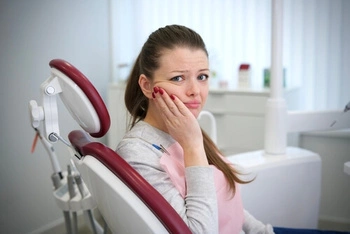 Common aggravating factors include jaw clenching and teeth grinding (particularly during sleep), nail biting, chewing gum, eating hard or chewy foods, and resting your jaw in your hand. Stress is a significant driver of jaw muscle tension. Relaxation techniques such as slow breathing, mindfulness, and progressive muscle relaxation can help reduce the background tension that feeds TMD symptoms.
Mayo Clinic advises that reducing teeth grinding and jaw tension through self-care, including physical therapy and stress reduction, can often provide meaningful relief for TMJ muscle pain before more involved interventions are needed.
Posture matters too. Prolonged screen use with the head carried forward increases load on the jaw and neck. Regular breaks and postural awareness throughout the day can make a meaningful difference.
When Exercises Are Not Enough
TMJ dysfunction exercises are a useful self-management tool, but they are not a complete treatment for TMD, particularly for people whose jaw pain is connected to bruxism, sleep apnoea, or other sleep-related conditions.
At Melbourne Dental Sleep Clinic, the approach goes beyond the jaw in isolation. Dr Teo and Dr Harrison Fu assess the relationship between jaw function, breathing patterns, sleep, and posture. Where oral appliance therapy is appropriate, custom-made devices can reduce the strain placed on the TMJ during sleep, addressing one of the most significant drivers of jaw pain that exercises alone cannot reach.
If jaw pain is affecting your sleep, your daily comfort, or your ability to eat and speak without difficulty, a thorough assessment is worth pursuing.
To explore whether treatment at Melbourne Dental Sleep Clinic may be suitable for your situation, you are welcome to get in touch with the clinic location that suits you best.
Caulfield North : (03) 9068 5355
Footscray: (03) 9068 5357
Niddrie: (03) 9068 5316
Or visit Melbourne Dental Sleep Clinic to learn more about the clinic’s approach to TMJ dysfunction and sleep health.
Frequently Asked Questions
How often should I do TMJ dysfunction exercises?
Most TMJ exercises are recommended two to six times daily, depending on the specific movement. Consistency matters more than intensity. Start gently and build up gradually over the first one to two weeks, particularly if the jaw has been painful or restricted for some time.
Can TMJ exercises make symptoms worse?
Some people notice a temporary increase in discomfort when starting a new exercise program, as the muscles and joints adapt to unfamiliar movement. This usually settles within a few days. If pain increases significantly or does not improve, stop the exercise and seek clinical advice before continuing. Not all exercises suit all presentations of TMD.
Do I need a diagnosis before starting TMJ exercises?
It is advisable to have your jaw assessed before beginning a structured exercise program, particularly if you have severe pain, jaw locking, or significant clicking. A clinical assessment can identify the type of TMD present, rule out other causes of jaw pain, and guide which exercises are appropriate for your specific situation.
 How long does it take to see improvement from TMJ exercises?
This varies between individuals. Some people notice a reduction in muscle tension within a few weeks of consistent practice. More meaningful improvement in jaw mobility and pain levels may take one to three months. TMD is often a multifactorial condition, and exercises tend to produce the best results when combined with other management strategies.
Are TMJ exercises a substitute for oral appliance therapy?
Not necessarily. For people whose TMD is linked to nighttime teeth grinding or sleep apnoea, oral appliance therapy addresses what happens to the jaw during sleep, something exercises during waking hours cannot replicate. The two approaches can complement each other.
References
Shimada, A., Ogawa, T., Sammour, S.R., Narihara, T., Kinomura, S., Koide, R., Noma, N. and Sasaki, K. (2023). ‘Effectiveness of exercise therapy on pain relief and jaw mobility in patients with pain-related temporomandibular disorders: a systematic review’. Frontiers in Oral Health, 12 July. Lausanne: Frontiers Media SA. https://www.ncbi.nlm.nih.gov/pmc/articles/PMC10382173/
Healthdirect Australia. (2023). ‘Temporomandibular joint (TMJ) dysfunction’. Healthdirect, updated 2023. Canberra, ACT: Australian Government Department of Health. https://www.healthdirect.gov.au/temporomandibular-joint-dysfunction
Colgate Oral Health Centre. (2024). ‘TMJ Exercises For Pain Relief’. Colgate, December. New York, NY: Colgate-Palmolive Company. https://www.colgate.com/en-us/oral-health/temporomandibular-disorder/tmj-exercises-for-pain-relief
Mayo Clinic News Network. (2018). ‘Mayo Clinic Q and A: Temporomandibular joint pain — causes and relief’. Mayo Clinic News Network, 7 August. Rochester, MN: Mayo Foundation for Medical Education and Research. https://newsnetwork.mayoclinic.org/discussion/mayo-clinic-q-and-a-temporomandibular-joint-pain-causes-and-relief/
