


Mouthguards are small but powerful tools. Whether used during sleep, exercise, or contact sports, they are designed to protect your teeth, gums, and jaw from damage. There are many types of mouthguards available today, and each option serves a different purpose. Some help with teeth grinding at night, while others safeguard the mouth during sport. Understanding the different types of mouthguards will help you choose one that fits properly, feels comfortable, and gives the best possible protection.
This guide explains the main mouthguard types, how they work, when they are used, and what makes one style different from another. With clear information, you can choose a suitable mouthguard that fits your needs, supports oral health, and prevents painful dental injury.
Why Mouthguards Matter
Mouthguards act as a protective barrier between the upper teeth and lower jaw. They absorb force, stop the teeth from knocking together, and protect soft tissue. Like any protective gear, a mouth guard is most effective when it fits properly and is suitable for the situation.
Without a mouthguard, the teeth and jaw are exposed to sudden impact, clenching, or grinding. This can lead to:
- Chipped or broken teeth
- Jaw fractures
- Painful jaw injuries
- Worn enamel
- Neck tension
- Gum irritation
- Dental splints or other major treatment later on
Many people play contact sports or clench and grind their teeth while sleeping without even knowing it. Wearing mouthguards is one of the simplest ways to protect your teeth and avoid long-term damage.
Key Uses for Mouthguards
Different types of mouthguards are recommended for different reasons. Some are made for sport, and others are designed to help with teeth grinding or jaw clenching. Common uses include:
- Contact sports such as rugby, hockey, or football
- Protecting the mouth from hits or falls
- Night guards for grinding teeth during sleep
- Custom mouthguards to reduce jaw pain and headaches
- Supporting braces and protecting the cheeks from rubbing
- Preventing pressure on dental splints or crowns
The type you need depends on your oral health, lifestyle, and whether you grind at night or play contact sports regularly.
Main Types of Mouthguards
There are several mouthguard types available, each offering a different level of comfort, fit, and safety.
1. Stock Mouthguards
Stock mouthguards are pre-formed devices sold in many sporting goods stores. They are the most affordable option and are already shaped when you buy them.
They offer basic defence against dental injury, but they often feel uncomfortable because they are not shaped to match the mouth. Many people find stock mouthguards bulky and difficult to keep in place. Because they do not fit properly, they may move at night, fall out during sports, or limit speech and breathing.
While they provide some protection, stock styles are not recommended for those who play contact sports at a high risk level or experience teeth grinding regularly.
2. Boil and Bite Mouthguards
A boil-and-bite mouthguard is a step above stock options and can be moulded at home. These products are made from a thermoplastic material that softens when placed in hot water. After heating, you bite down to shape the device to your teeth.
Boil-and-bite options can give a better fit than stock mouthguards, and many people find them a comfortable and affordable option. They are widely available and suitable for general use. However, they still cannot match the precision of custom-made mouthguards because home moulding may not capture every detail of the bite.
3. Custom Mouthguards Made by Dentists
Custom mouthguards are designed by dentists based on your specific dental structure. They start with precise impressions and create a custom-fitted mouthguard that offers optimal coverage and superior protection.
Custom-made mouthguards are recommended for people who play contact sports, have braces, or need night guards for grinding teeth. Because they follow the shape of the upper teeth and lower jaw, they offer enhanced protection, a secure fit, and better comfort.
A custom-made mouth guard also makes it easier to speak, breathe, and drink without losing it. They are considered the best protection for athletes, as they help prevent jaw fractures, chipped or broken teeth, and soft tissue cuts.
Custom styles cost more than stock or boil-and-bite styles, but their distinct advantages make them worth the investment. Many dentists regard them as the safest option among all types of mouthguards.
4. Occlusal Splints for Night Grinding
Occlusal splints, also known as dental splints or night guards, are a specific type of custom mouthguard designed to help with teeth grinding and jaw clenching. Many patients grind without realising it, especially during sleep.
Night guards create a cushioned barrier between the upper and lower teeth, preventing direct contact. This protects enamel and reduces strain on the jaw joints. These mouthguards are especially helpful for people who wake with soreness, jaw stiffness, or tooth sensitivity.
A well-fitted mouthguard designed for night grinding provides effective protection and helps the jaw relax naturally.
Wearing Mouthguards During Sport
Contact sports carry a high risk of dental injury. Sudden impact can damage the teeth or cause jaw injuries when the lower jaw forces upward.
For athletes, a custom-made mouth guard provides the same level of safety as a helmet or shin guard. It keeps teeth and gums protected, prevents broken teeth, and lowers the chance of deep cuts to soft tissue.
People who play sports with braces benefit greatly from wearing a mouthguard. It shields metal brackets from cracking and prevents the brackets from cutting the cheeks or lips.
How to Choose the Right Mouthguard
To choose the right mouthguard, consider: 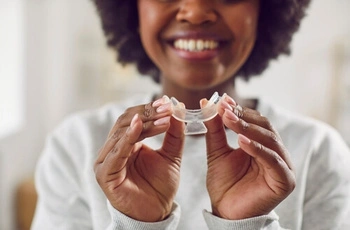
- Whether you grind teeth at night
- If you play contact sports
- Level of risk
- Need for enhanced protection
- Comfort while wearing a mouthguard
- Whether you want a custom fit or boil and bite options
For most people, custom-made options offer the best overall experience. They are shaped to fit the upper teeth closely, reduce jaw pressure, and provide optimal coverage. Those who need strong defence against impact, or who grind heavily, are often good candidates for custom-fitted designs.
If cost is a concern, boil-and-bite mouthguards are suitable for short-term wear. However, if you need strong and long-lasting support, custom-made mouthguards are recommended.
Proper Care Helps Maintain Quality
Taking care of a mouthguard will help it last longer and support oral health. After wearing a mouthguard, rinse it under cool water and let it dry before storing. Avoid heat, as it can change the shape of the thermoplastic material. If your mouthguard feels uncomfortable, loose, or worn down, it may need replacement.
Dentists can check the fit during routine visits and adjust custom mouthguards if your teeth change, braces are fitted, or dental splints are added.
Final Thoughts
There are many types of mouthguards, from affordable pre-formed styles to custom-made mouthguards created by dentists. Each mouthguard type provides different protection levels and comfort depending on your needs.
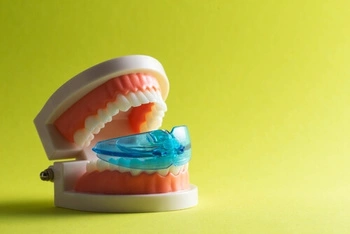 Stock and boil-and-bite options are widely available, but custom-made mouthguards give superior protection for teeth grinding, contact sports, and jaw clenching. They are designed to fit properly, protect your teeth, and provide enhanced protection for both the upper teeth and lower jaw.
Whether you need a bite mouthguard for sleep or a custom mouth guard for sport, choosing a design that fits well and meets specific dental needs can prevent injury, protect your smile, and support your oral health long term.
If you’re concerned about whether a mouthguard may help with teeth grinding, jaw discomfort, or protection during sport, or simply want guidance choosing a suitable mouthguard type, you can book a consultation with us at Melbourne Dental Sleep Clinic or call your nearest location:
Caulfield North : (03) 9068 5355
Footscray: (03) 9068 5357
Niddrie: (03) 9068 5316
Resources
Davis, C. (2023). ‘Teeth Braces’. Cleveland, OH, 13 January. Cleveland, OH: Cleveland Clinic.
https://my.clevelandclinic.org/health/treatments/24601-teeth-braces
Dunkin, M. A. (2025). ‘Repairing a Chipped or Broken Tooth’. New York, NY, 20 January. New York, NY: WebMD LLC.
https://www.webmd.com/oral-health/repairing-a-chipped-or-broken-tooth
Mayo Clinic Staff. (2024). ‘Teeth Grinding (Bruxism)’. Rochester, MN, 27 December. Rochester, MN: Mayo Foundation for Medical Education and Research.
https://www.mayoclinic.org/diseases-conditions/bruxism/symptoms-causes/syc-20356095


Sleep is essential for overall health. However, for many people, achieving restful sleep can be difficult due to a condition known as obstructive sleep apnoea Read more